

Leadership is not a geography. It is a combination of capability, context, and the confidence that
comes from being given genuine responsibility and the resources to deliver on it. For most of the
history of global enterprise, the assumption was that leadership lived at headquarters — in the
boardrooms of New York, London, and Frankfurt — while execution happened elsewhere. That
assumption is being dismantled, and India is at the centre of the dismantling. The best global
teams of the next decade will not merely include Indian talent.
The evidence is already accumulating in ways that are impossible to ignore. India currently hosts
over 1,700 GCCs employing 2.4 million professionals, and the seniority profile of those teams
has shifted dramatically over the past five years. Senior Indian professionals are now running
global AI research programmes, owning enterprise product roadmaps, leading cybersecurity
operations that protect global assets, and making risk decisions that affect billions of dollars
of enterprise exposure.

India’s top institutions — the IITs, IIMs, and the growing ecosystem of world-class engineering and
management programmes — are producing graduates who are technically sophisticated, globally
oriented, and increasingly experienced in the kind of cross-functional, cross-cultural
collaboration that global leadership requires. More importantly, the GCC ecosystem itself has
become a leadership development engine. Professionals who joined GCCs ten or fifteen years
ago as engineers or analysts have spent a decade building expertise, managing global
stakeholders, and navigating the complexity of large enterprise environments.
As AI systems take over more of the routine coordination and information synthesis that middle
management has historically been responsible for, the leadership premium shifts toward
strategic thinking, creative problem solving, stakeholder influence, and the ability to make
high-quality decisions under ambiguity — all areas where India’s experienced professional
cohort is genuinely strong. The organisations investing most heavily in AI-led transformation are
also the ones placing the most significant leadership bets on their India teams, because they
recognise that the human capabilities most needed in an AI-augmented environment are
precisely the ones that India’s talent market has been developing at scale.
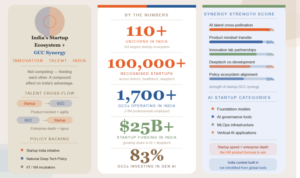
As India’s economy grows toward becoming the world’s third largest by 2030, the country’s
institutional confidence and global influence are growing alongside it. Indian professionals who
lead global GCC teams are increasingly connected to a domestic ecosystem that gives them
peer networks, policy context, and economic momentum that were simply not available to their
predecessors. This context makes them better global leaders — not just technically capable
executives but strategically informed ones who understand what it means to operate at the
intersection of India’s ambitions and the world’s requirements.
The enterprises building global teams that are India-led need succession planning frameworks
that identify leadership potential early, cross-cultural leadership development programmes,
compensation structures that reflect the global value of India-based leaders, and talent
intelligence tools that can find the next generation of GCC leaders before the competition
does. The best global teams will be India-led. The HR organisations that help enterprises build
those teams will be the most important players in the GCC talent ecosystem of the coming
decade.